5 Costly Condo Insurance Mistakes Illinois Boards Make at Renewal

Did your condo association’s insurance premium jump at your last renewal? You are not alone. Across Chicago and the suburbs, carriers keep raising rates. Storms and hail drive more claims every year. On top of that, water damage from burst pipes and sewer backups is still the most common loss in our older buildings.

When those costs hit, boards often cover the gap with a special assessment. And then unit owners start asking a fair question: who was supposed to pay for this?

The answer usually comes down to one phrase in your master policy. Is it “all-in” or “bare walls”? Most board members have never been told which one their association carries. So let’s break down the difference, why it matters right now, and what your board should check before the next renewal.
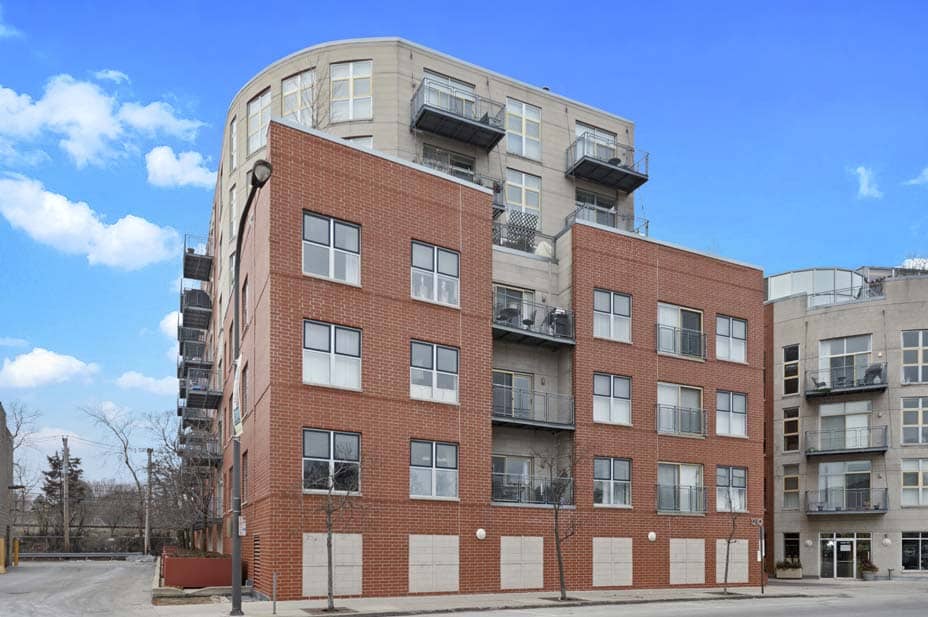
What your master policy actually covers

Every condo association carries a master policy. It insures the building and the common elements. Under the Illinois Condominium Property Act, your association must insure those elements and the units for full replacement cost, and it must carry liability coverage too (765 ILCS 605/12).

But the Act does not say where the master policy stops and each owner’s policy begins. Instead, your declaration and the master policy form draw that line. And that is exactly where “all-in” versus “bare walls” comes in.

All-in coverage

An all-in policy goes the furthest. It covers the building, the common elements, and the original fixtures inside each unit. Think cabinets, flooring, and the layout as the unit was first built.

So after a covered loss, the association’s policy rebuilds most of the unit itself. Owners usually pay only for their personal belongings and any upgrades they added.

Bare walls coverage

A bare walls policy covers less. It protects the building structure and common elements, but it stops at the unfinished interior. In other words, it reaches the studs, subfloor, and ceiling, and no further.

Everything inside that shell becomes the owner’s job to insure. That means drywall, flooring, cabinets, appliances, and fixtures, all through their own HO-6 policy. As a result, the same kitchen fire can produce two very different bills, depending on which structure your association uses.

Why this leads to special assessments

Here is the part that catches boards off guard. Sometimes a loss costs more than the master policy covers. Other times it falls into a gap between the master policy and owners’ individual coverage. Either way, the shortfall does not vanish.

The association absorbs it. And under 765 ILCS 605/18, the board can then levy a special assessment to make up the difference. The gap tends to open up in a few common ways:

  • High master deductibles. Deductibles have climbed sharply. If yours is $25,000 or $50,000, a single water loss can fall entirely on the association before the policy pays a cent. Then that cost flows to owners as an assessment.
  • Bare walls coverage that owners don’t match. Suppose your association is bare walls, but an owner carries a thin HO-6 policy. Now the unrepaired interior becomes a problem for the whole building.
  • Underinsured replacement cost. Older Chicago buildings often cost far more to rebuild to current code than their limits assume. So associations come up short after a major loss.

Illinois does give owners one check on runaway costs. Under 765 ILCS 605/18, owners holding at least 20% of the votes can petition for a vote when assessments would rise more than 115% over the prior year. Still, that is a reaction to a problem, not a way to prevent one. The better path is simpler: understand the coverage structure and close the gaps before a loss ever happens.

What your board should check before renewal

Use this short checklist at your next renewal or board meeting.

  1. Find out which structure you have. Read your master policy declarations page, or just ask your agent. Does it say all-in, all-inclusive, single entity, or bare walls? If no one on the board knows, that is your first red flag.
  2. Match it to your declaration. Your declaration spells out each owner’s insurance duties. The master policy and the declaration need to agree. When they conflict, disputed claims usually follow.
  3. Review your loss assessment limits. Owners need HO-6 policies with enough loss assessment coverage to absorb their share of the master deductible. A $25,000 deductible and $1,000 of loss assessment coverage simply do not match.
  4. Re-check replacement cost every year. Construction and code-upgrade costs keep rising. So a replacement figure from five years ago is probably too low today.
  5. Tell your owners which structure you have. Owners cannot buy the right HO-6 policy if they do not know the answer. A one-page summary at the annual meeting prevents most surprises.

The bottom line

All-in versus bare walls is not just jargon. It is the one line that decides who pays after a loss, and how big the next special assessment might be. And with premiums and deductibles rising across the Chicago area, the difference matters more than ever.

So which associations come through a tough renewal in the best shape? Usually the ones whose boards understand their coverage and have already closed the gaps.

Not sure whether your association is all-in or bare walls? Or whether your master deductible and your owners’ loss assessment limits actually line up? That is exactly the kind of review we run for condo and HOA boards across Chicago and central Illinois. Reach out to Weer Insurance Group for a no-obligation review of your association’s master policy.

This article is general information, not legal or insurance advice for any specific association. Coverage rules and assessment procedures come from the Illinois Condominium Property Act, 765 ILCS 605, your association’s declaration, and your own policy. Always consult your association’s attorney and a licensed agent before you make coverage decisions.

Why Do Delivery Drivers Need Commercial Auto Insurance?

Food delivery is one of the most popular side hustles in Chicago. But here’s the catch: your personal auto policy probably won’t cover you while you deliver. So if you crash with a DoorDash bag in your car, your insurer can deny the claim. As a result, you could be stuck paying for car damage, medical bills, and even lawsuits.

The right coverage depends on a few things. What do you deliver? How often do you drive? And which platform do you work for? Here’s how the coverage really works — and where the gaps are.

Why Your Personal Auto Policy Won’t Cover Deliveries

Almost every personal auto policy in Illinois has a “business use” exclusion. In plain English, your coverage can stop the moment you use your car to earn money. That even includes the drive to the restaurant to pick up an order.

Why do insurers care? Because delivery driving is riskier. You spend more time on the road. You make more stops. Plus, you often drive under time pressure. So if an adjuster learns the crash happened during a delivery, they will likely deny the claim. The Insurance Information Institute has a clear guide on how these gaps work for app-based drivers.

And the cost of a denied claim is real. You could pay for the other driver’s car and injuries out of pocket. You might also pay for your own repairs. On top of that, your insurer may drop you afterward.

What DoorDash, Uber Eats, and Grubhub Actually Cover

Most delivery apps advertise insurance for their drivers. However, the coverage is thinner than most drivers think. For example, DoorDash’s coverage generally applies only during an active delivery. It also acts as “excess” coverage in most cases. That means it only pays after your own policy responds — or denies the claim.

In short, there are three coverage periods to know:

  1. App on, waiting for an order — usually little or no app coverage
  2. Order accepted, driving to pick up — partial app coverage at best
  3. Food in your car, headed to the customer — the app’s strongest coverage window

See the problem? Your personal policy excludes business use in all three periods. Meanwhile, the app only steps in during the last one. Even then, it often won’t pay for damage to your own car. Every app’s terms are different, so read them closely. Better yet, let an agent read them with you. Our commercial auto insurance team reviews these terms for Chicago drivers all the time.

Independent Contractors: You’re On Your Own for Coverage

Maybe you don’t drive for the big food apps. Instead, you deliver equipment, retail goods, medical supplies, or auto parts as an independent contractor. In that case, there is no app policy behind you at all. The coverage is fully your job.

So be upfront with your agent about how you use your car. What do you haul? How many work miles do you drive? Do you travel between stores or job sites? These details decide what you need. It might be a simple business-use add-on to your personal policy. Or it might be a true commercial auto policy. Guess wrong either way and it costs you. One way leaves you exposed. The other way, you overpay for coverage you don’t need.

Also, many clients require proof of commercial coverage before you can start work. They ask for a certificate of insurance. If you’re building your own delivery business, talk this through before you sign a contract. Our business insurance team can show you what those contracts usually require.

Pizza Delivery Drivers Face the Strictest Rules

Insurers treat pizza delivery as one of the riskiest jobs in personal auto. Why? Fast delivery windows, frequent trips, night driving, and busy city streets. Most pizza shops don’t provide cars or insurance either. In fact, many insurers simply exclude pizza delivery from personal policies altogether.

So if you deliver pizza in Chicago, don’t assume you’re covered. And don’t assume your employer has you protected. Ask your insurer directly — in writing if you can. The Illinois Department of Insurance also publishes a consumer guide on required auto coverage in the state. Keep in mind, those state minimums can run out fast in a serious delivery crash.

How to Close the Gap: Your Options in Illinois

The good news? The fix is usually one of three things:

  • Rideshare or delivery endorsement. This add-on covers the “app on” gap. It’s the cheapest option for part-time drivers. However, not every carrier offers it for food delivery.
  • Commercial auto policy. This is full business coverage for your vehicle. Most full-time drivers and contractors need this one.
  • Hybrid gig-driver policies. Some carriers now blend personal and business coverage in one policy.

The right choice depends on your platform, your hours, and your vehicle. But the wrong choice is doing nothing and hoping no one checks.

Talk to a Chicago Agency That Knows Delivery Risk

At Weer Insurance Group, we help delivery drivers, couriers, and contractors across Chicago every week. Because we’re independent, we can shop carriers that actually want delivery business. Many captive agents can’t quote these at all. We’ll review your current policy and read your app’s coverage terms. Then we’ll tell you honestly what you need — an endorsement or a commercial policy. We serve Chicago, the suburbs, and all of Illinois, Wisconsin, and Indiana. Plus, we speak English, Spanish, Polish, Ukrainian, and Russian.

Contact us today for a free coverage review. Do it before your next shift — not after your first denied claim.


Frequently Asked Questions

Does DoorDash provide insurance for its drivers? Yes, but it’s limited. The coverage mainly applies during active deliveries. Also, it usually pays only after your own policy responds first. And it typically won’t cover damage to your own car.

Will my insurance company find out I do deliveries? Often, yes. Adjusters investigate how a crash happened. So if you were delivering, they can deny the claim. They may also drop your policy afterward.

How much does commercial auto insurance cost for delivery drivers in Chicago? It depends on your car, your record, and your delivery type. A delivery endorsement can cost a few hundred dollars a year. A full commercial policy costs more. Still, both cost far less than one uncovered crash.

Do I need commercial insurance if I only deliver part-time? Maybe not a full policy. But you likely need at least a delivery endorsement. Even one delivery a week can trigger the business-use exclusion.